

Chalkboard Paint Recipe With Plaster Of Paris
Supplies Needed
- Plaster of paris powder
- Water
- Mixing container
- Spoon or spatula
- Measuring cup
- Mold
- Petroleum jelly
- Newspapers or plastic mat
- Poster paint or acrylic paint (optional)
Safety Tips
- Never mix plaster of paris with your bare hands.
- Plaster of paris powder is extremely light and fine. Caution should be taken to avoid getting the powder into the eyes and nose.
- Kids will need adult supervision.
STEPS
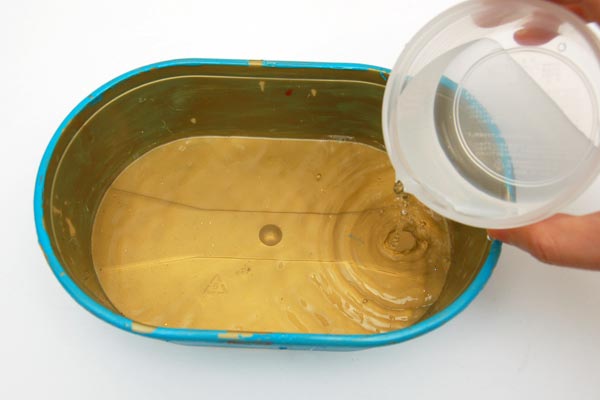
1Measure out the water.
Cover your work area with a plastic mat or with newspapers. Find a mixing container (preferably a disposable one) that could accommodate the amount of mixture intended.
The ideal ratio for a plaster of paris mixture is 2 parts plaster of Paris powder to 1 part water. Measure out the water and pour it into your mixing container.
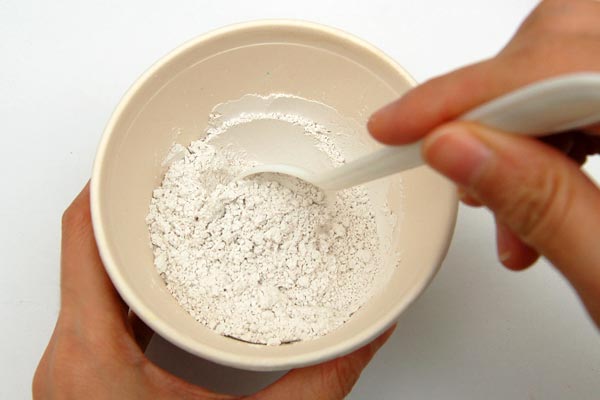
2Measure out the powder.
Measure out the plaster of paris powder and put it into another container. Break up any lumps of powder with a spoon.
Remember that the ratio should be 2 parts powder to 1 part water. If you measured out 1 cup of water in Step 1, then you would need 2 cups plaster of paris powder.
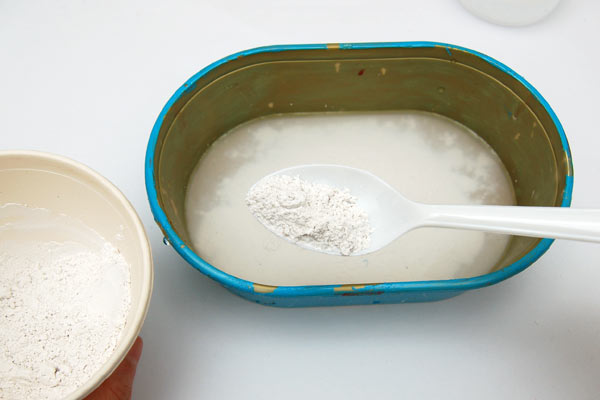
3Start adding the powder.
Start adding the plaster of paris powder to the water in your mixing container by sprinkling or sifting the powder over the water. Do not add the powder in one spot, instead try to cover as much area as you can.
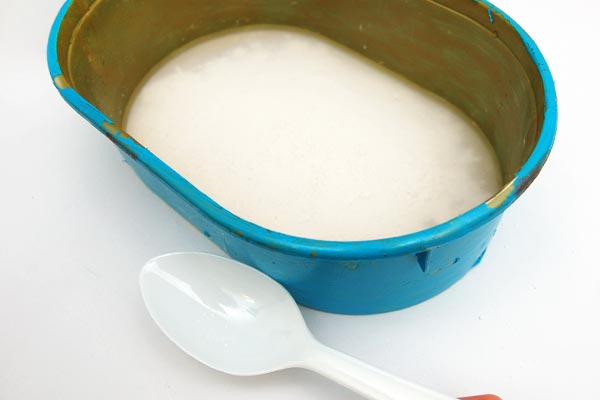
4Tap the side of the container.
Do not mix yet. Instead, tap the side of the container with a spoon to disperse the powder into the water and remove any air bubbles.
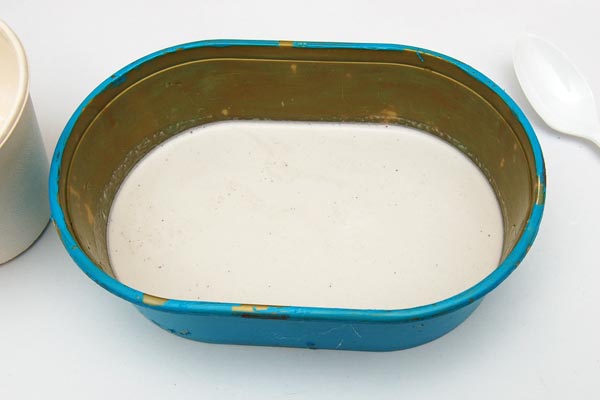
5Continue adding powder.
Continue adding the Plaster of Paris powder, tapping the sides of the container from time to time. The cue to stop is when you notice that the powder is almost covering the surface of the water and is not as easily absorbed by the water. Normally this point would be around the 2:1 ratio but could vary slightly depending on several factors, including the brand of plaster of paris powder and water temperature.
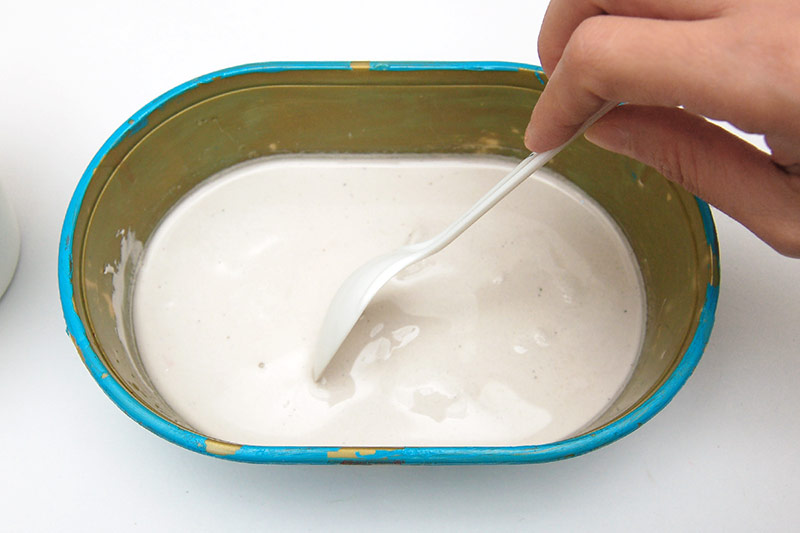
6Stir the mixture.
Slowly stir the plaster of paris mixture until it reaches a uniform and smooth consistency. Do not mix vigorously to avoid any air bubbles from forming.
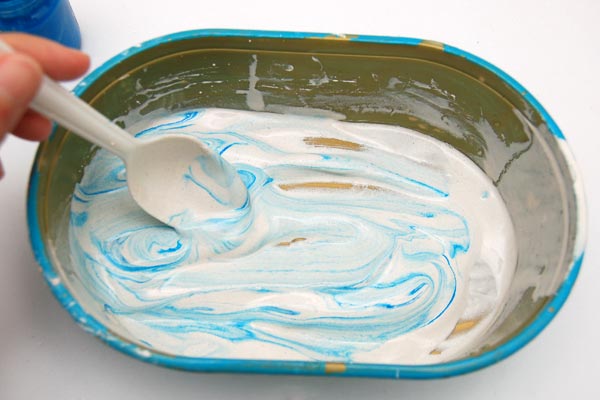
7Add color.
If you want to make colored plaster of paris, add some poster paint or acyrlic paint once the mixture is free of lumps and has a smooth consistency. Continue mixing slowly from side to side until the color is uniformly dispersed.
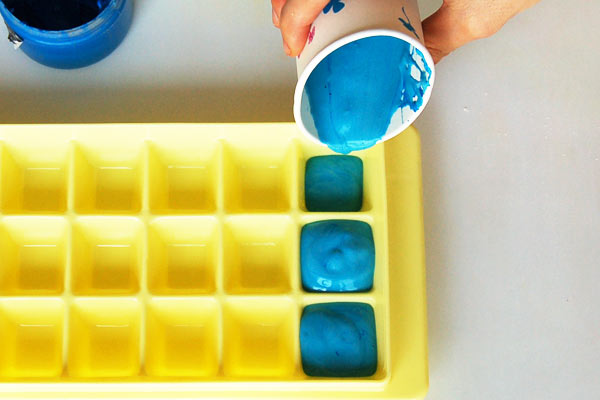
8Pour into a mold.
Coat the inside of your mold with a thin layer of petroleum jelly or cooking spray. Pour the plaster of paris mixture into the mold.
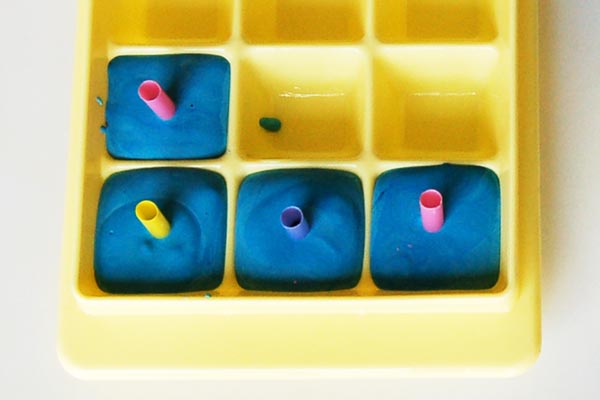
9Let the mixture set.
The mixture will start to set within a few minutes. Besides hardening, you'll notice that the plaster of paris also gives off heat. It typically takes 20 to 30 minutes for plaster of paris to set.
*The drinking straws on this particular project is to create a hole on each plaster of paris cube.
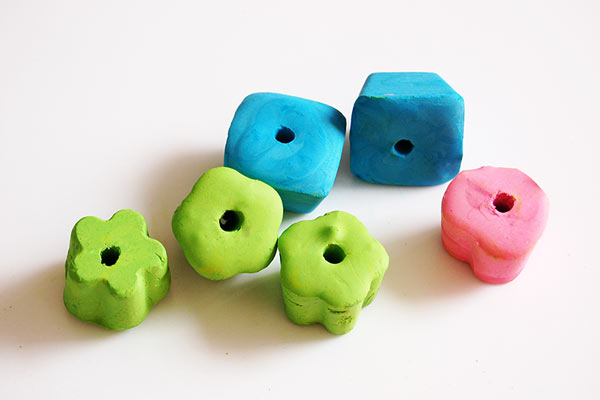
10Remove from the mold.
You'll know when the plaster of paris has set when it's rock solid and cool to the touch. Carefully remove them from the mold.
Do not throw any leftover mixture into the drain, it will clog the pipes. Instead, let the mixture harden in the mixing container, then throw it into a trash can.
More Craft Recipes & How-To's:
Crafts You Can Make
Comments
Chalkboard Paint Recipe With Plaster Of Paris
Source: https://www.firstpalette.com/craft-recipe/mixing-plaster-of-paris.html
Posted by: kingouggialk.blogspot.com
0 Response to "Chalkboard Paint Recipe With Plaster Of Paris"
Post a Comment